How to Build a Website That Converts Better
A website that looks good but doesn't convert is like a store with beautiful displays but no cash registers. Conversion is about designing every element with a goal in mind.
Clear value proposition. The visitor should understand within 5 seconds: What do you offer? Why are you the best? What should I do now? Place this clearly in the hero section.
Strategic CTA placement. Place calls-to-action at natural decision points: after presenting value, at the end of sections, and always visible without scrolling.
Speed as conversion factor. Every second of delay costs conversions. Optimize images, use CDN, minimize code – ensure the site loads in under 3 seconds.
Trust signals. Client logos, reviews, certifications, guarantees – everything that builds trust increases conversion. Show them early and often.
Frictionless forms. Minimize the number of fields. Use smart autocomplete. Show clear error messages. Add a progress indicator for long forms.
Storytelling. Tell a story the visitor can relate to. "We helped Company X increase revenue by 300%" is more convincing than "We offer web development".
Responsive design. If the site doesn't work perfectly on mobile, you lose 60%+ of your potential customers immediately.
Social proof in context. Don't just show general reviews – show relevant case studies alongside relevant services. A visitor looking at e-commerce wants to see e-commerce cases.
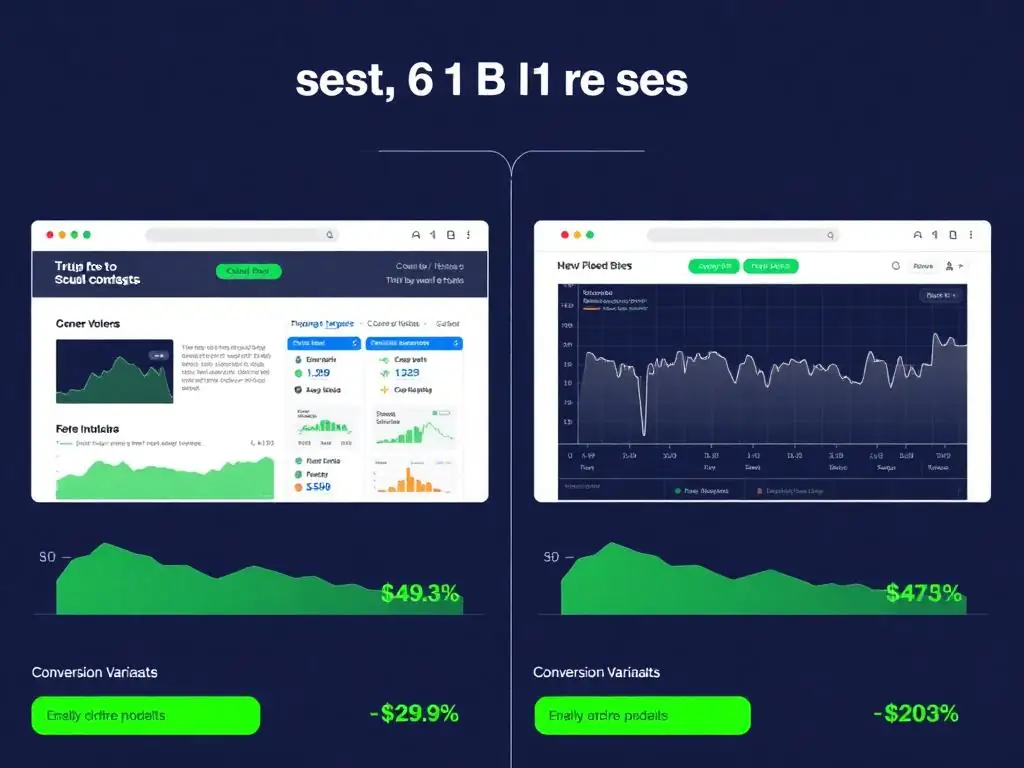
Continuous optimization. Launch, measure, test, improve. A/B test headlines, buttons, images, and forms. The best sites never stop optimizing.
Moreover, a website’s ability to convert is intrinsically linked to its overall user experience (UX). A clunky interface, confusing navigation, or unresponsive elements can quickly deter even the most interested prospects. Investing in intuitive design and seamless user journeys ensures visitors can effortlessly find what they need and take the desired action, whether that’s making a purchase or filling out a contact form. This focus on an exceptional digital experience not only boosts immediate conversions but also fosters long-term customer loyalty and positive brand perception, crucial for sustained business growth in a competitive online landscape.
To further amplify conversion rates, a robust digital strategy must include a strong emphasis on search engine optimization (SEO). A beautifully designed website with compelling content won't convert if potential customers can't find it. By implementing targeted keyword research, optimizing site structure, and building high-quality backlinks, businesses can significantly improve their visibility in search engine results. This increased organic traffic brings in more qualified leads who are actively searching for the products or services offered, creating a fertile ground for higher conversion opportunities.
Furthermore, the evolving landscape of digital marketing necessitates the integration of artificial intelligence (AI) to personalize the user experience and drive conversions. AI-powered tools can analyze user behavior, predict preferences, and deliver highly relevant content and product recommendations in real-time. From AI-driven chatbots that provide instant support to personalized email campaigns triggered by user actions, these intelligent systems streamline the sales funnel and create a more engaging and efficient path to conversion. This level of personalization is becoming a non-negotiable for businesses aiming to stay ahead in the digital age, especially for a responsive digital agency.
Finally, constant testing and refinement are not merely suggestions but foundational pillars of a successful conversion-focused website. Beyond A/B testing, integrating advanced analytics tools allows businesses to gain deeper insights into user behavior patterns, identify conversion bottlenecks, and uncover new opportunities. This approach, coupled with iterative design improvements, ensures that every aspect of the website is continually optimized to maximize its effectiveness. This ongoing commitment to improvement guarantees that the website remains a powerful asset, delivering consistent and increasing returns on investment for its owner and reflecting positively on the strategic foresight of its web development partner.