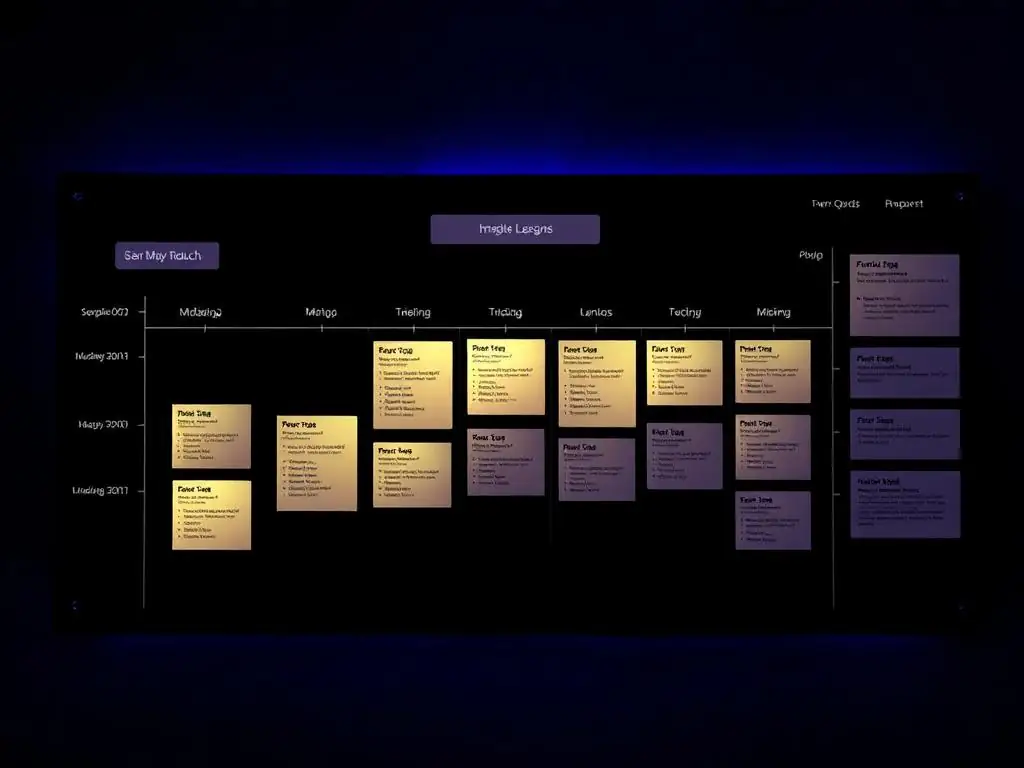
How to Plan a New Website from Start to Launch
Building a new website is a big project. Without proper planning, you risk delays, budget overruns, and results that don't meet expectations. Here's a proven process.
Step 1: Define goals and target audience. What should the website achieve? Generate leads? Sell products? Inform? Who is your primary audience? Answer these questions before touching a pixel.
Step 2: Inventory existing content. If you have an existing site, go through all content. What works? What can be removed? What needs rewriting? A content audit saves enormous time.
Step 3: Information architecture. Create a sitemap showing all pages and how they connect. Test the navigation structure with card sorting or tree testing.
Step 4: Wireframes. Create simple wireframes showing page structure and content placement without visual design. Focus on functionality and flow.
Step 5: Design. With wireframes approved, design work can begin. Create a design system with colors, fonts, button styles, and components used throughout.
Step 6: Development. Implement the design in code. Choose the right technology platform based on needs: WordPress, headless CMS, custom development. Build responsively from the start.
Step 7: Content production. Write, edit, and review all content. Optimize for SEO. Ensure texts are consistent in tone and style.
Step 8: Test and quality assurance. Test on all devices and browsers. Check accessibility, performance, and functionality. Let real users test.
Step 9: Launch and follow-up. Migrate, redirect old URLs, verify in Google Search Console. Monitor performance the first weeks. Plan for ongoing maintenance and improvement.
Step 10: Post-launch optimization and continued innovation. Your website isn't a static brochure; it's a dynamic asset. Leverage analytics to understand user behavior, identify drop-off points, and continuously refine your conversion funnels. A robust digital strategy includes A/B testing different layouts, calls to action, and content variations to incrementally improve performance. Consider implementing AI-powered chatbots for improved user experience and lead qualification, freeing up human resources for more complex inquiries. This ongoing optimization ensures your investment continues to yield maximum returns and keeps your digital presence competitive.
Step 11: Scalable content strategy and SEO. Beyond initial content population, establish a sustainable content strategy that supports your long-term business goals. This involves regular creation of high-value content – blog posts, articles, videos – that answers user questions, establishes authority, and drives organic traffic. Thorough keyword research and continuous SEO efforts are paramount to maintaining visibility in search engine results. Partner with a digital agency that understands both content creation and technical SEO to ensure your website remains discoverable and relevant to your target audience, fostering sustained growth.
Step 12: Embrace emerging technologies and accessibility. The web development landscape is constantly evolving. Staying ahead means exploring new technologies that can enhance user experience and operational efficiency. Consider advancements like progressive web apps (PWAs) for improved speed and offline capabilities, or integrating virtual reality elements if relevant to your offerings. Crucially, prioritize accessibility from the outset. Ensuring your website is usable by everyone, regardless of ability, not only expands your potential audience but also aligns with ethical best practices and often improves overall site structure and SEO.
Step 13: Cultivate an agile feedback loop. Successful websites thrive on continuous improvement, fueled by a structured feedback loop. Regularly solicit input from internal teams, customers, and even your digital agency partners regarding usability, content gaps, and functional needs. This iterative process, often drawing inspiration from agile development methodologies, allows for rapid deployment of enhancements and reduces the risk of larger, more costly overhauls down the line. By actively listening and adapting, your website becomes a truly responsive tool, consistently delivering value and strengthening your online presence.