Headless CMS – The Future of Modern Websites?
Headless CMS has become one of the hottest topics in web development. But what does it actually mean, and is it the right choice for everyone?
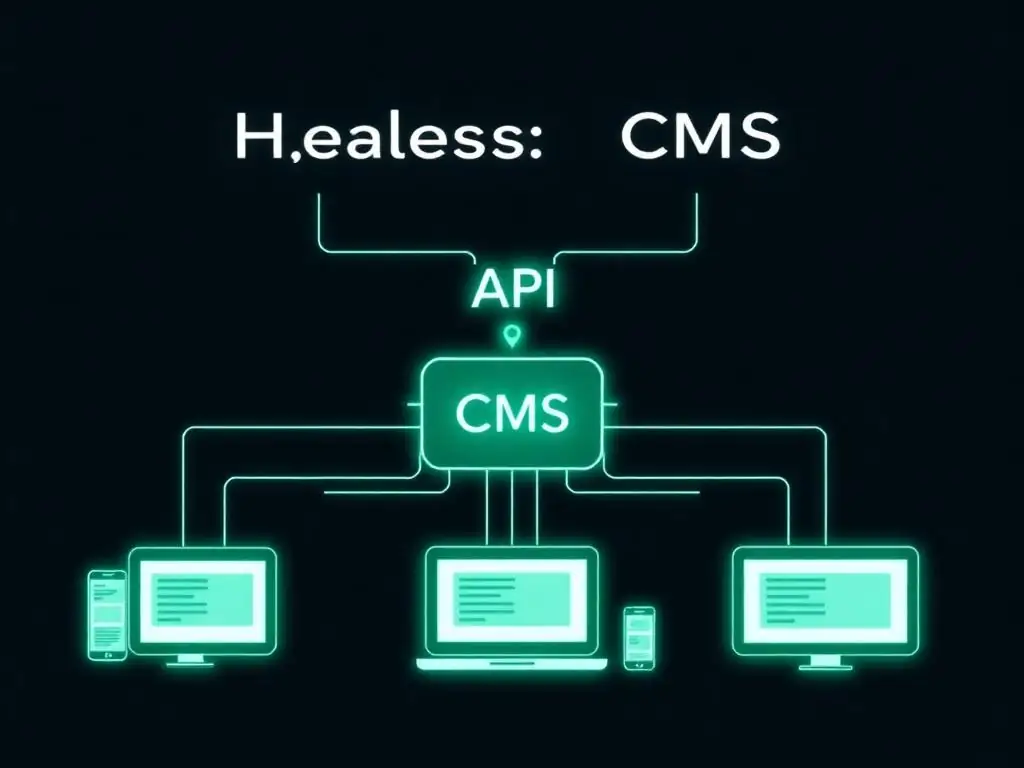
What is headless? In a traditional CMS (like WordPress), content and presentation are tightly coupled. In a headless CMS, they're separated: content is stored in a backend system and delivered via APIs to any frontend.
Advantages: Flexibility. You can use the same content on the web, in an app, on a digital sign, or in an AI chatbot. One source, many channels.
Advantages: Performance. The frontend can be built with modern frameworks like React or Next.js and deployed as a static site or via edge computing – blazing fast.
Advantages: Security. Without a direct connection between CMS and public site, the attack surface is significantly reduced. No exposed admin panel, no plugin vulnerabilities.
Disadvantages: Complexity. A headless CMS requires more technical expertise to set up and maintain. Editors can't "see" how the page looks directly in the CMS.
Disadvantages: Cost. The initial development cost is often higher. You need to build or buy a frontend, configure APIs, and handle deployment separately.
Popular headless CMS: Contentful, PHP and .NET C#. Each has its strengths depending on the project's needs.
When does headless fit? Multinational sites, e-commerce platforms, companies publishing across multiple channels, and organizations with high performance requirements.
Our recommendation: Headless is the future for larger, more complex projects. For simpler sites, a traditional CMS like WordPress can still be the smartest choice.
This enhanced flexibility and performance directly translate into a superior user experience, a critical factor for conversion rates and overall digital strategy success. By decoupling the backend from the frontend, businesses gain the agility to iteratively optimize their interfaces, integrating A/B testing and personalization without disrupting content delivery. This iterative approach allows for continuous refinement based on user data, leading to higher engagement and more effective calls to action, ultimately driving tangible business results. For any digital agency focused on measurable ROI, the strategic advantages of a headless architecture are undeniable.
Furthermore, the inherent scalability of headless CMS solutions supports ambitious SEO strategies. With lightning-fast load times and the ability to serve content efficiently across various devices and platforms, search engine rankings naturally improve. This is crucial for businesses aiming to dominate competitive online landscapes. A robust digital presence built on a headless foundation allows for seamless integration with advanced analytics tools, providing deeper insights into user behavior and content performance. This approach is essential for fine-tuning marketing efforts and achieving sustainable growth in the ever-evolving digital ecosystem. Utilizing AI for content optimization and personalization becomes significantly more streamlined within such an architecture.
Implementing a headless CMS is also a strategic move for future-proofing your digital assets. As new technologies and channels emerge, a headless setup ensures that your core content can be readily adapted and deployed, often with minimal development effort. This adaptability mitigates the risk of costly re-platforming exercises every few years, offering long-term cost efficiencies and competitive advantages. It empowers businesses to stay at the forefront of innovation, consistently delivering fresh, engaging content wherever their audience may be, whether it's on a new social media platform or an emerging IoT device. This foresight is a cornerstone of effective digital strategy.
The strategic shift to a headless architecture also empowers developers with greater freedom and access to cutting-edge web development tools and frameworks. This appeals to top talent, leading to more innovative and robust website builds. The ability to use preferred technologies fosters efficiency and allows for highly customized solutions that precisely meet unique business requirements and user experience goals. This developer-centric approach not only accelerates project delivery but also ensures a higher quality output, directly impacting the long-term success and maintainability of the digital platform, solidifying the business's online presence and digital strategy.